Hypothesis
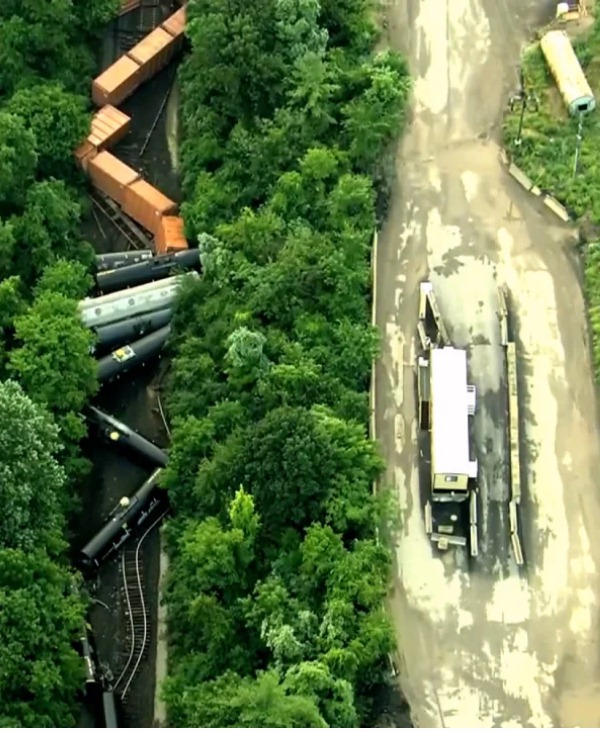
Hypothesis: Plymouth Meeting is the cradle of climate change.
The train derailment in Plymouth Meeting (July 17, 2023) and the seven people swept away by flood waters in Washington’s Crossing (July 15, 2023) may reflect the long arc of climate-altering activities initiated centuries ago. During the 1600s and 1700s, the American colonies played a pivotal role in movements for revolution, industrialization, and economic expansion.
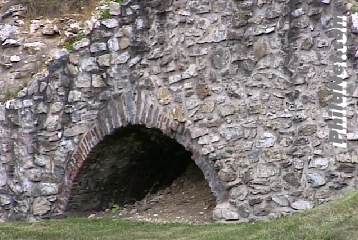
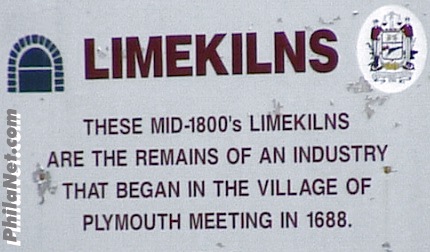
In 1688, the establishment of a limestone quarry and limekilns in Plymouth Meeting, Pennsylvania marked a turning point in industrial production. Limekilns produce quicklime by heating limestone to temperatures exceeding 1,650°F. Quicklime became essential to agriculture, construction, steelmaking, and eventually cement production.
The chemical reaction itself releases carbon dioxide:
CaCO₃ → CaO + CO₂
CO₂ emissions result both from the fuel used to heat the kiln and from the decomposition of limestone. What began as localized industrial progress became part of a global system of cumulative atmospheric change.
Before limestone was quarried locally, colonists crushed oyster shells for lime — an early extractive industry that helped finance revolutionary and abolitionist efforts. Industry, freedom, commerce, and emissions were intertwined from the beginning.
The deaths and infrastructure damage seen today may represent long-term consequences of cultural and economic systems established centuries ago. The past is not separate from the present. What goes around comes around.
Plymouth Meeting: A Historical Crossroads
Plymouth Friends Meetinghouse
Located at Butler Pike and Germantown Avenue, this meetinghouse served as a gathering place for early American organizing and political thought.
The Underground Railroad
Members of the Plymouth Meeting Anti-Slavery Society held meetings across the street from their home, helping advance the cause of freedom.
Limekilns: Cradle of Commerce
An industry that began in 1688 helped shape American construction, infrastructure, and manufacturing.
Old Corson Quarry
The original limestone source for the kilns — and the site of the 2023 train derailment. The quarry remains active today.
Industrialization, abolition, revolution, and emissions intersected here. Plymouth Meeting represents a microcosm of America’s paradox: liberty and extraction rising together.
The Human Induced Climate Change Experiment
Further Reading
The Philadelphia Experiment: A Study on the Reign of Violent Rain